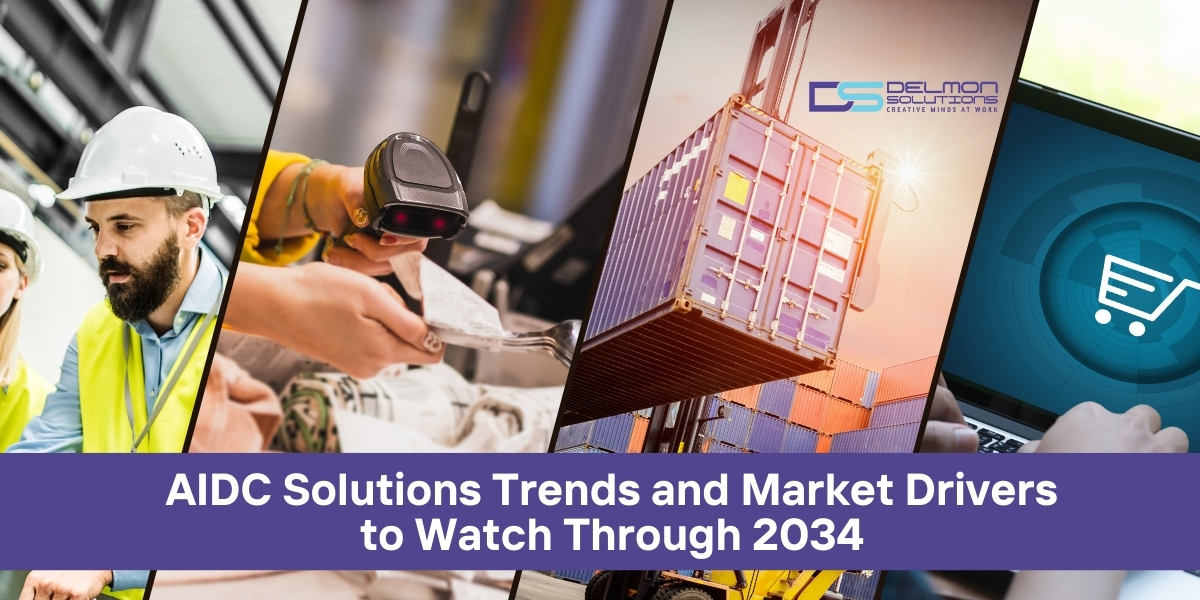
Automatic Identification and Data Capture solutions have moved from being operational support tools to becoming core infrastructure for modern enterprises. As organizations across retail, manufacturing, healthcare, logistics, and government accelerate digital transformation initiatives, AIDC technologies are playing a critical role in improving accuracy, efficiency, and real-time visibility.
This article explores AIDC Solutions trends, why AIDC solutions are rising, the technologies driving adoption, and the top trends expected to shape the market through 2034, with a specific focus on mobile computing and RFID innovations.
The Growing Importance of AIDC in Enterprise Operations
At its core, automatic identification and data capture refers to technologies that automatically identify objects, capture data, and feed it into enterprise systems without manual input. These technologies include barcode scanning, RFID, biometric systems, optical character recognition, and mobile computing devices.
The rapid adoption of AIDC solutions is driven by several converging factors:
- Expansion of global retail and logistics networks
- Growth of e-commerce and omni-channel fulfillment models
- Increasing regulatory requirements in healthcare, pharmaceuticals, and food
- Smart city and infrastructure modernization initiatives
- Demand for real-time inventory accuracy and operational transparency
Manual data entry introduces delays, inconsistencies, and errors. AIDC eliminates these inefficiencies by enabling real-time, automated, and reliable data capture at the point of activity.
Why AIDC Solutions Are Rising Across Industries
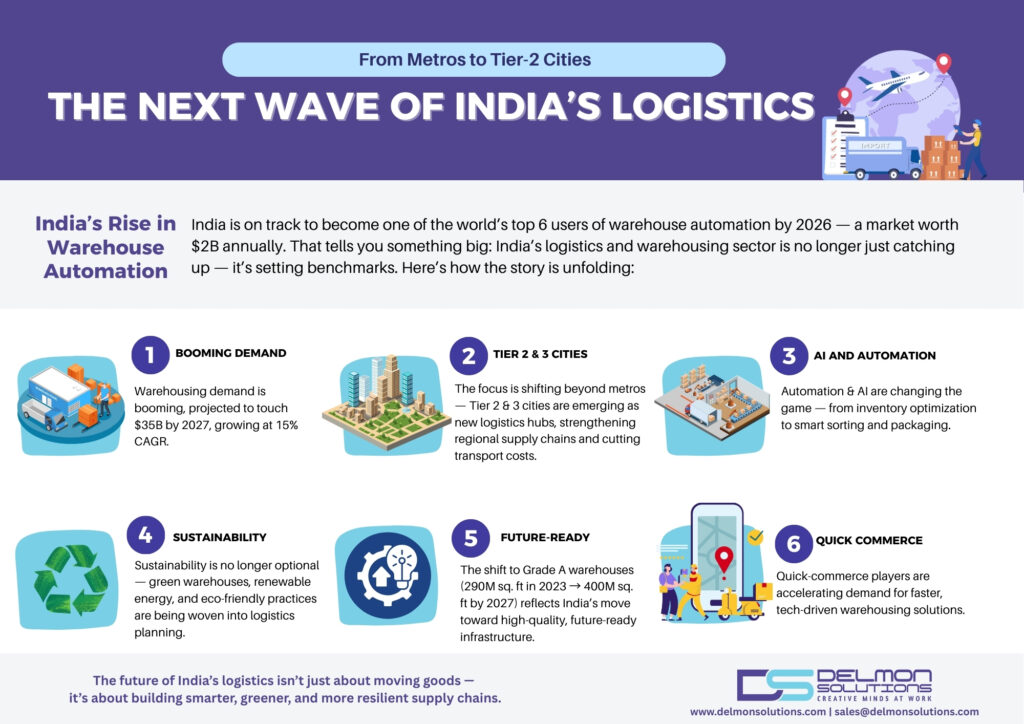
According to recent industry research, the global automatic identification and data capture market was valued at USD 69.77 billion in 2024 and is projected to reach USD 212.28 billion by 2034, growing at a CAGR of 11.8 percent. This growth is not incremental. It reflects a structural shift in how enterprises collect, process, and act on data.
Expansion of Retail and Logistics Networks
Retailers and logistics providers are operating across multiple locations, warehouses, and geographies. Managing inventory, tracking shipments, and ensuring fulfillment accuracy at scale requires automated data capture.
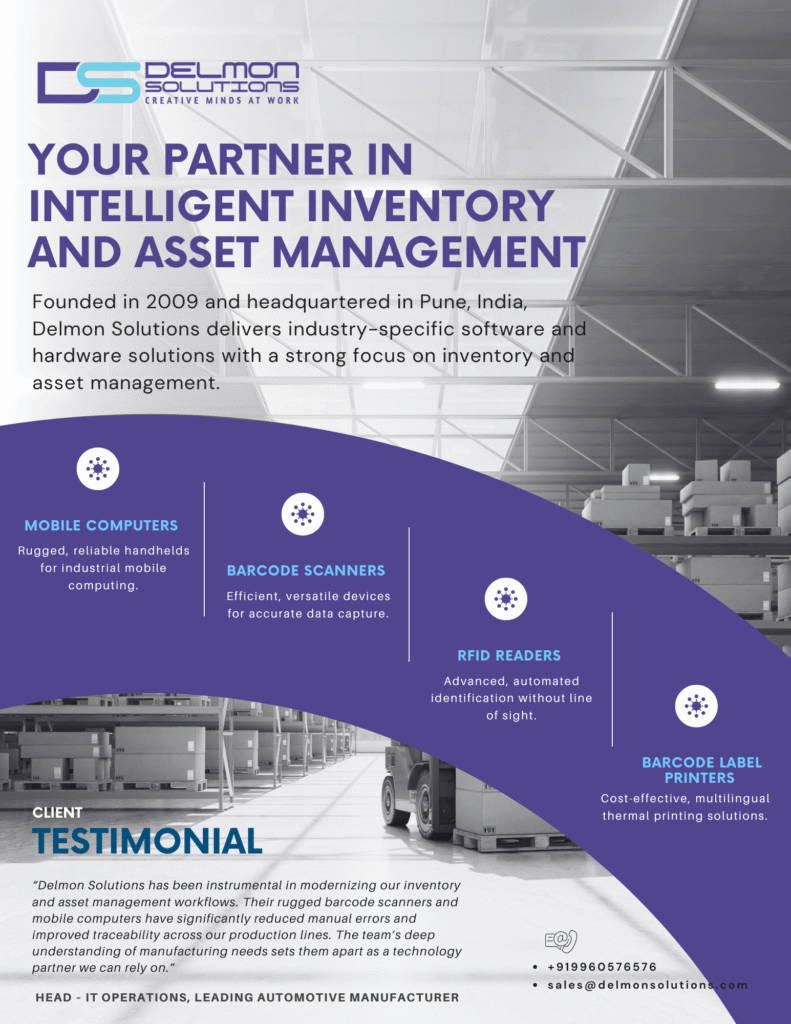
AIDC hardware such as handheld mobile computers, barcode scanners, and RFID readers enables:
- Real-time stock visibility
- Faster picking, packing, and dispatch
- Reduced inventory shrinkage
- Improved last-mile delivery accuracy
As global transportation and logistics spending continues to grow, AIDC solutions are becoming foundational to scalable supply chain operations.
Growth of E-commerce and Digital Commerce
The rapid growth of e-commerce has significantly increased pressure on warehouse and fulfillment operations. Consumers expect faster delivery, accurate order fulfillment, and real-time stock availability.
AIDC technologies support e-commerce growth by:
- Synchronizing online and offline inventory
- Enabling high-speed barcode and RFID scanning
- Reducing order errors and returns
- Improving warehouse throughput
Without AIDC, meeting modern e-commerce service levels becomes operationally unsustainable.
Increasing Adoption in Healthcare and Life Sciences
Hospitals, clinics, and pharmaceutical companies are increasingly adopting AIDC for patient identification, medication tracking, and asset management. Regulatory requirements demand precise traceability across the healthcare supply chain.
AIDC solutions help healthcare organizations:
- Improve patient safety
- Reduce medication errors
- Track medical equipment utilization
- Maintain regulatory compliance
As healthcare infrastructure expands globally, AIDC adoption will continue to accelerate.
Role of Mobile Computing in the AIDC Market
One of the most significant contributors to AIDC market growth is the increasing adoption of handheld mobile computers. These devices combine barcode scanning, data processing, wireless connectivity, and rugged design into a single platform.
Rise of Handheld Mobile Computers
A modern Mobile Computer enables frontline workers to capture and process data in real time, directly at the point of operation. This is especially critical in warehouses, manufacturing plants, retail floors, and field service environments.
Key drivers for handheld mobile computers include:
- Demand for rugged, enterprise-grade devices
- Need for seamless ERP and WMS integration
- Shift toward paperless operations
- Workforce mobility requirements
Growth of 5G Touch Mobile Computer Adoption
The rollout of 5G networks is further enhancing the capabilities of handheld mobile computers. A 5G Touch Mobile Computer enables faster data transmission, lower latency, and improved connectivity in high-density environments.
This is particularly relevant for operations that rely on real-time decision-making, such as:
- High-volume warehouses
- Smart manufacturing facilities
- Large retail distribution centers
As 5G infrastructure expands, demand for advanced handheld mobile computers will rise.
Cipherlab Mobile Computer Adoption in India
India is emerging as a high-growth market for AIDC adoption, driven by manufacturing expansion, logistics modernization, and digital retail growth. Enterprises are increasingly seeking reliable and cost-effective mobile computing solutions.
This has led to rising demand for Cipherlab Mobile Computer solutions across industries. Organizations are actively partnering with a Cipherlab Handheld Terminal Supplier in India to deploy enterprise-grade handheld mobile computers that offer durability, performance, and long-term support.
Cipherlab handheld mobile computers are widely adopted in:
- Warehousing and distribution
- Retail operations
- Field mobility applications
- Manufacturing and inventory control
RFID Handheld Readers Driving the Next Phase of AIDC Growth
While barcode technology continues to dominate, RFID adoption is accelerating due to its ability to capture data without line-of-sight scanning.
Increasing Adoption of RFID Handheld Readers
RFID Handheld Readers enable faster, bulk data capture and improved asset visibility.
Key advantages include:
- Faster inventory audits
- Improved accuracy in high-volume environments
- Reduced labor effort
- Enhanced traceability
Industries such as retail, logistics, manufacturing, and healthcare are increasingly deploying RFID handheld scanners to improve operational efficiency.
Demand for UHF RFID Readers
UHF RFID Readers are gaining significant traction due to their longer read ranges and ability to scan multiple tags simultaneously. A UHF RFID handheld reader is particularly valuable in warehouses and large storage facilities.
Common use cases include:
- Pallet and carton tracking
- Asset management
- Apparel inventory management
- Supply chain traceability
The demand for Portable RFID scanner solutions is rising as organizations seek flexibility without compromising performance.
RFID Readers Supplier in India Market Growth
India’s expanding logistics and manufacturing sectors are driving strong demand for RFID solutions. Enterprises are actively engaging with an RFID Readers Supplier in India to deploy scalable and cost-effective RFID handheld scanner solutions.
As regulatory requirements and operational complexity increase, RFID adoption will continue to grow across Indian enterprises.
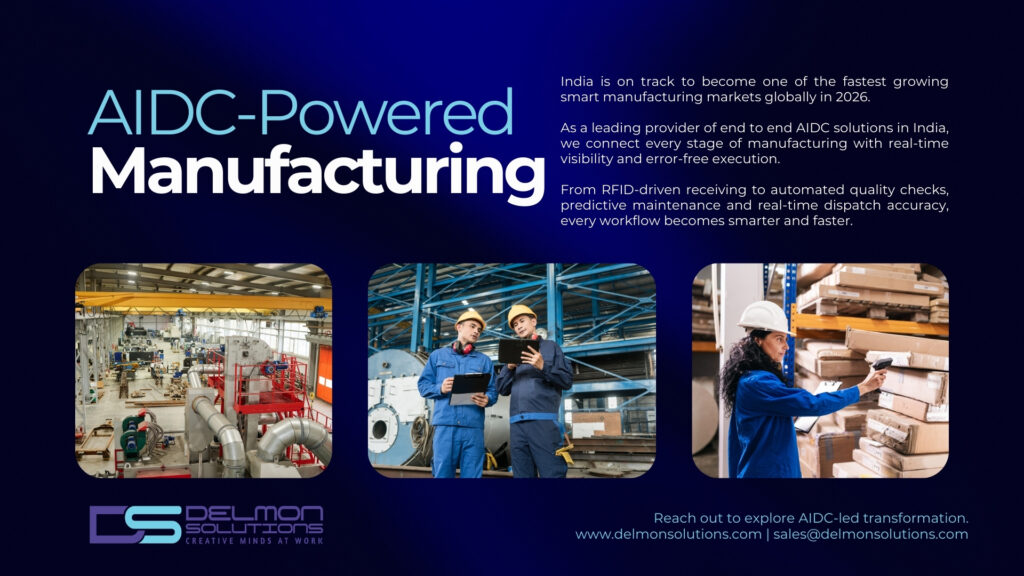
AI and Automation Trends Shaping AIDC Through 2034
Artificial intelligence is increasingly integrated into AIDC solutions, enhancing data capture accuracy and decision-making capabilities.
Key AI-driven trends include:
- Improved barcode and image recognition accuracy
- Machine learning-based demand forecasting
- Predictive inventory management
- Automated exception handling
- Real-time analytics at the edge
AI-powered AIDC solutions enable organizations to move from reactive operations to predictive and autonomous workflows.
Regional Outlook and AIDC Market Momentum
North America currently holds the largest share of the AIDC market due to advanced infrastructure, strong technology adoption, and regulatory compliance requirements.
Asia Pacific is expected to record the highest growth rate through 2034. Rapid industrialization, e-commerce expansion, and smart infrastructure investments in countries such as India and China are fueling demand for AIDC solutions.
This regional momentum presents significant opportunities for AIDC Solutions Providers in India to support global and domestic enterprises.
AIDC as a Strategic Enterprise Investment
AIDC is no longer a tactical technology purchase. It is a strategic investment that directly impacts productivity, accuracy, compliance, and customer experience.
Organizations that invest early in scalable AIDC solutions such as handheld mobile computers, RFID handheld readers, and AI-enabled data capture platforms will be better positioned to compete in increasingly data-driven markets.
Conclusion
The automatic identification and data capture market is on a strong growth trajectory through 2034, driven by automation, e-commerce expansion, regulatory requirements, and advances in mobile computing and RFID technologies.
Enterprises adopting Mobile Computer solutions, Cipherlab handheld terminals, RFID handheld scanners, and UHF RFID readers are building more resilient, efficient, and future-ready operations.
As adoption accelerates across industries, partnering with an experienced AIDC Solutions Provider in India can help organizations select the right technologies, ensure seamless integration, and achieve measurable operational outcomes.
For organizations planning to modernize their data capture infrastructure or scale their operations, now is the right time to evaluate advanced AIDC solutions aligned with long-term business goals. Explore how the right AIDC solutions can streamline your operations and improve data accuracy. Connect with our team to discuss your requirements.